Project Overview
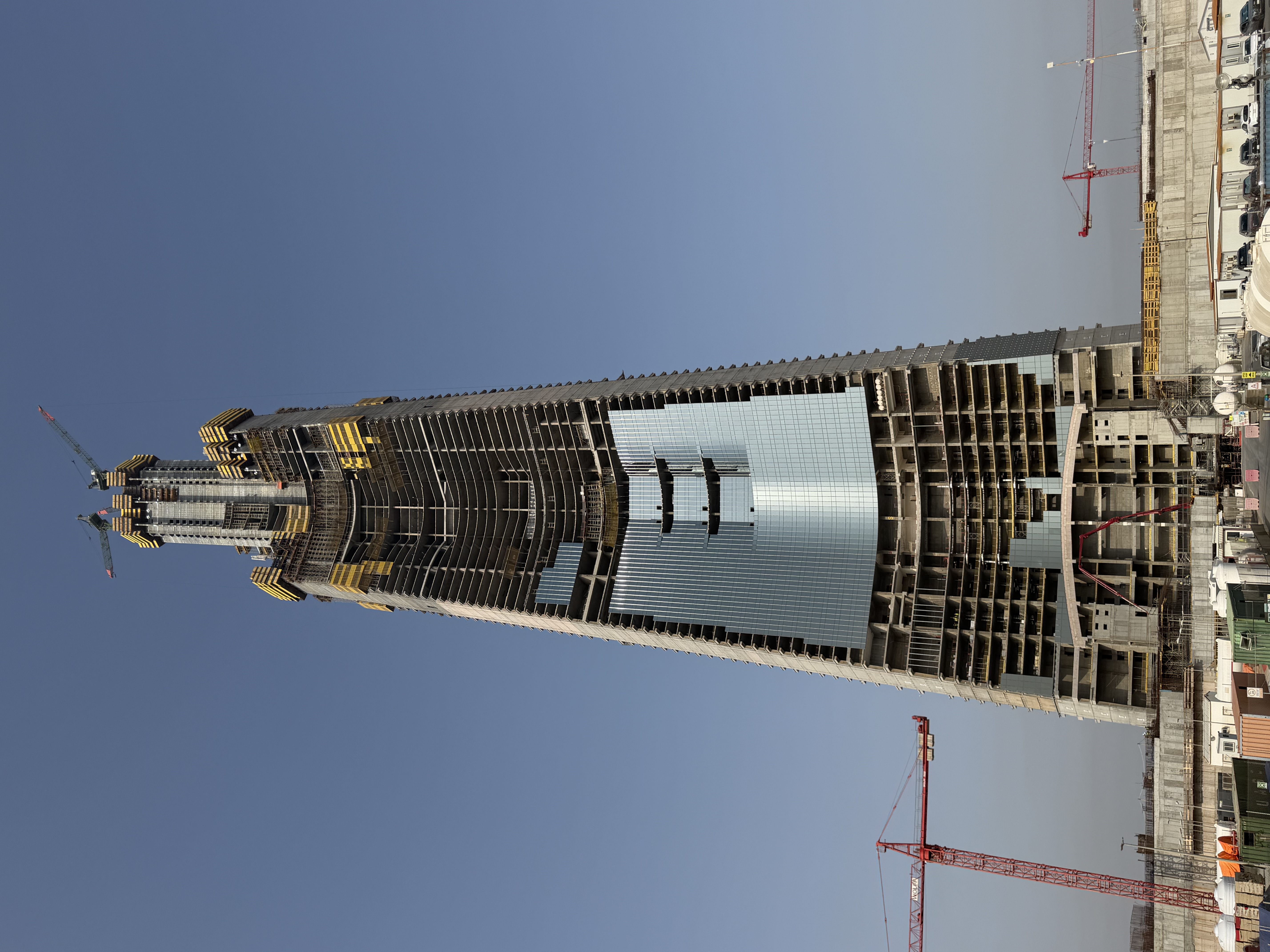
Jeddah Tower features a design reminiscent of a child’s paper-airplane, tapering gradually upwards. Three wing-like structures surrounding the central core have already been fully formed, and the installation of the glass curtain wall has commenced on the lower section of the building. Conceived as a “vertical city,” the tower integrates office space, luxury apartments, and the Four Seasons Hotel; a cantilevered steel observation deck with a 30-meter diameter will be situated at a height of approximately 600 meters on the 157th floor, making it the world’s highest observation facility upon completion.
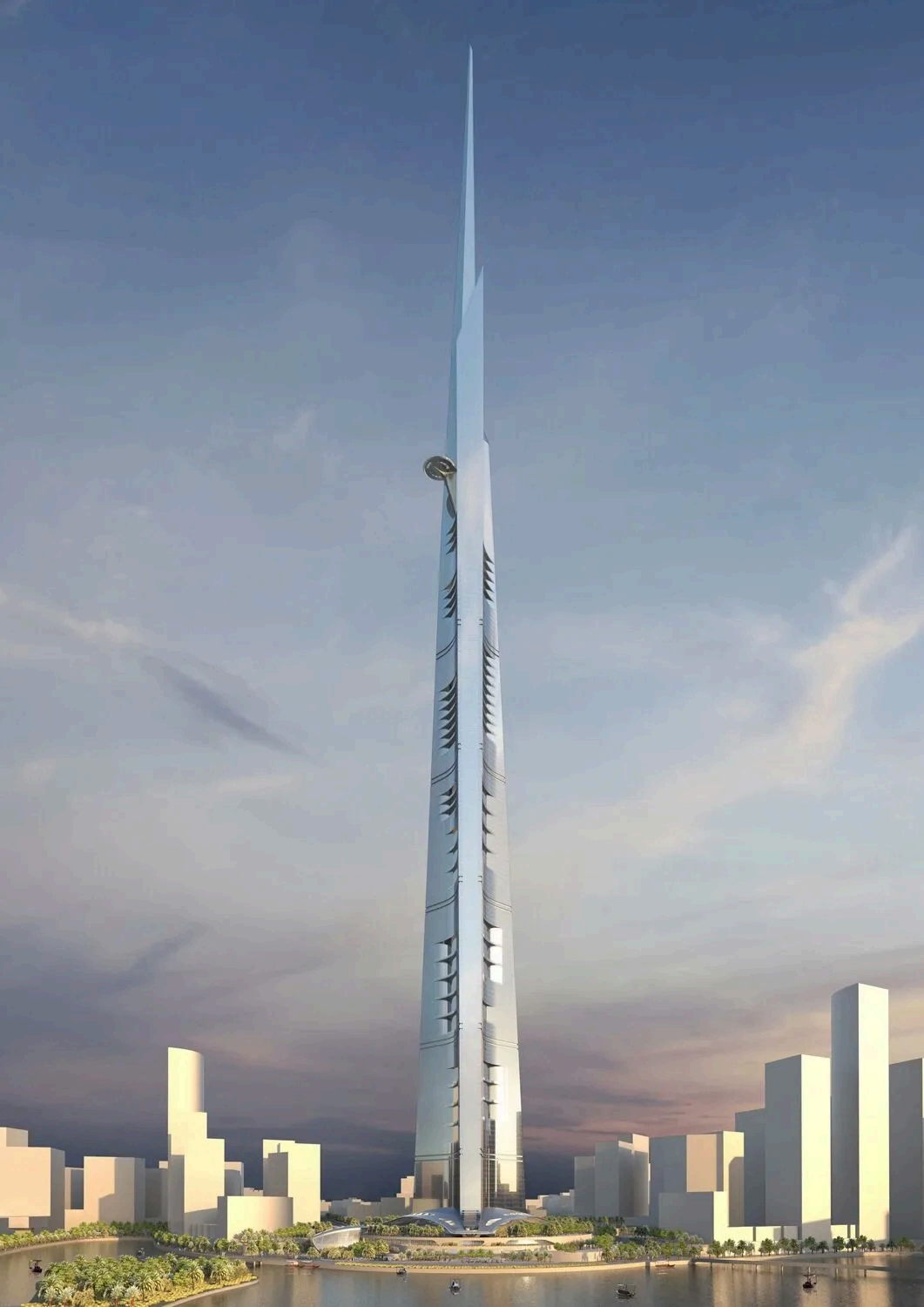
Situated in a coastal region of Saudi Arabia, the project faces wind pressures that rise sharply with altitude; the combination of strong coastal winds and an operating height reaching the kilometer level imposes exceptionally rigorous demands on high-altitude work platforms. Curtain wall installation confronts multiple practical challenges—including high-altitude wind hazards, limited crane availability, strict safety regulations, and tight construction schedules—rendering conventional scaffolding and standard work platforms inadequate for the task.
Climbing System Solution
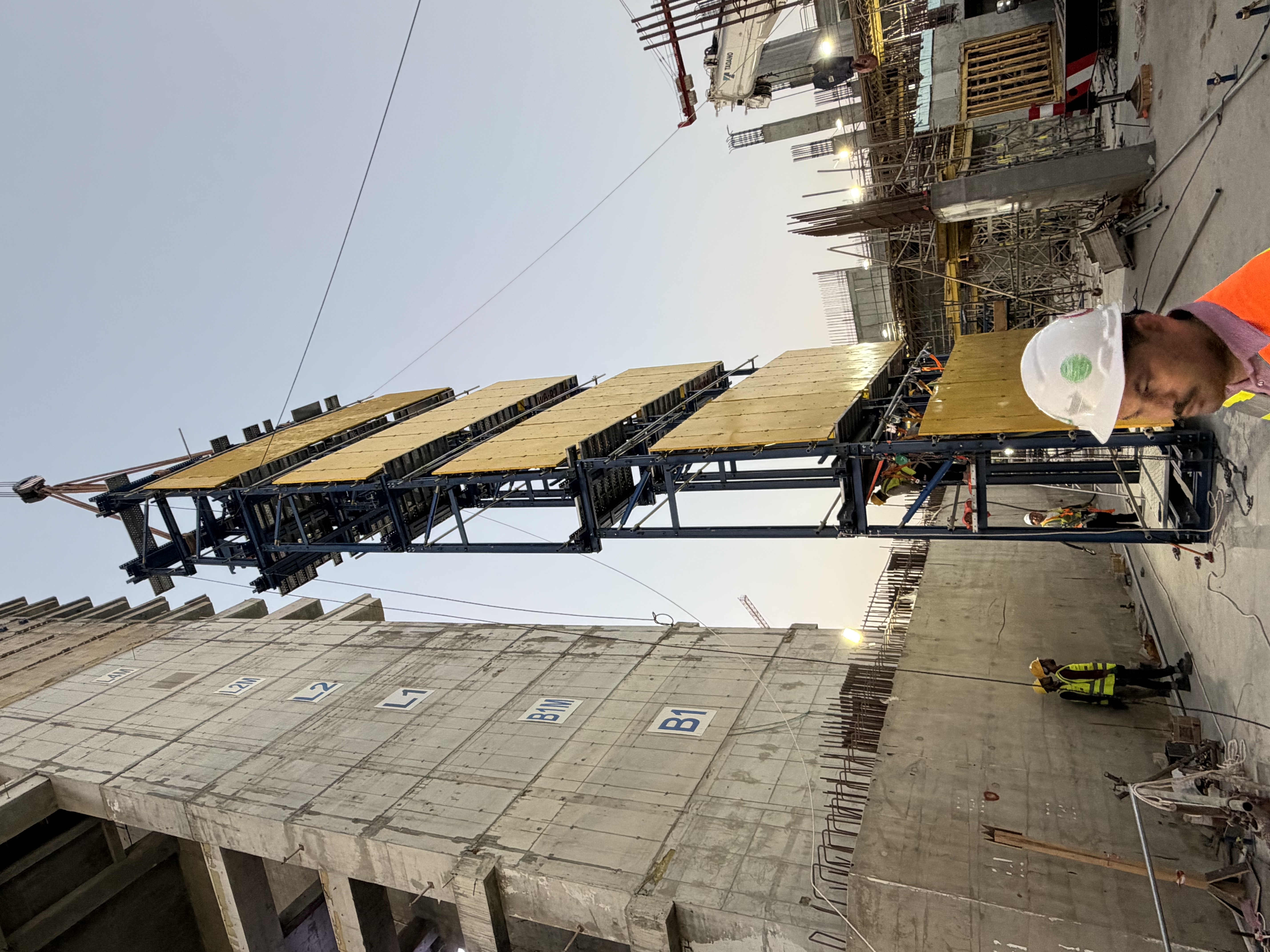
For this project, we supplied an integrated hydraulic auto‑climbing formwork system to serve as the primary high-altitude work platform for the Jeddah Tower’s curtain wall installation. Featuring a configuration with five levels of suspended working platforms, the system is capable of withstanding Beaufort scale 13 winds, making it perfectly suited to the harsh, high-wind conditions encountered at altitudes of nearly 1,000 meters in a coastal environment.
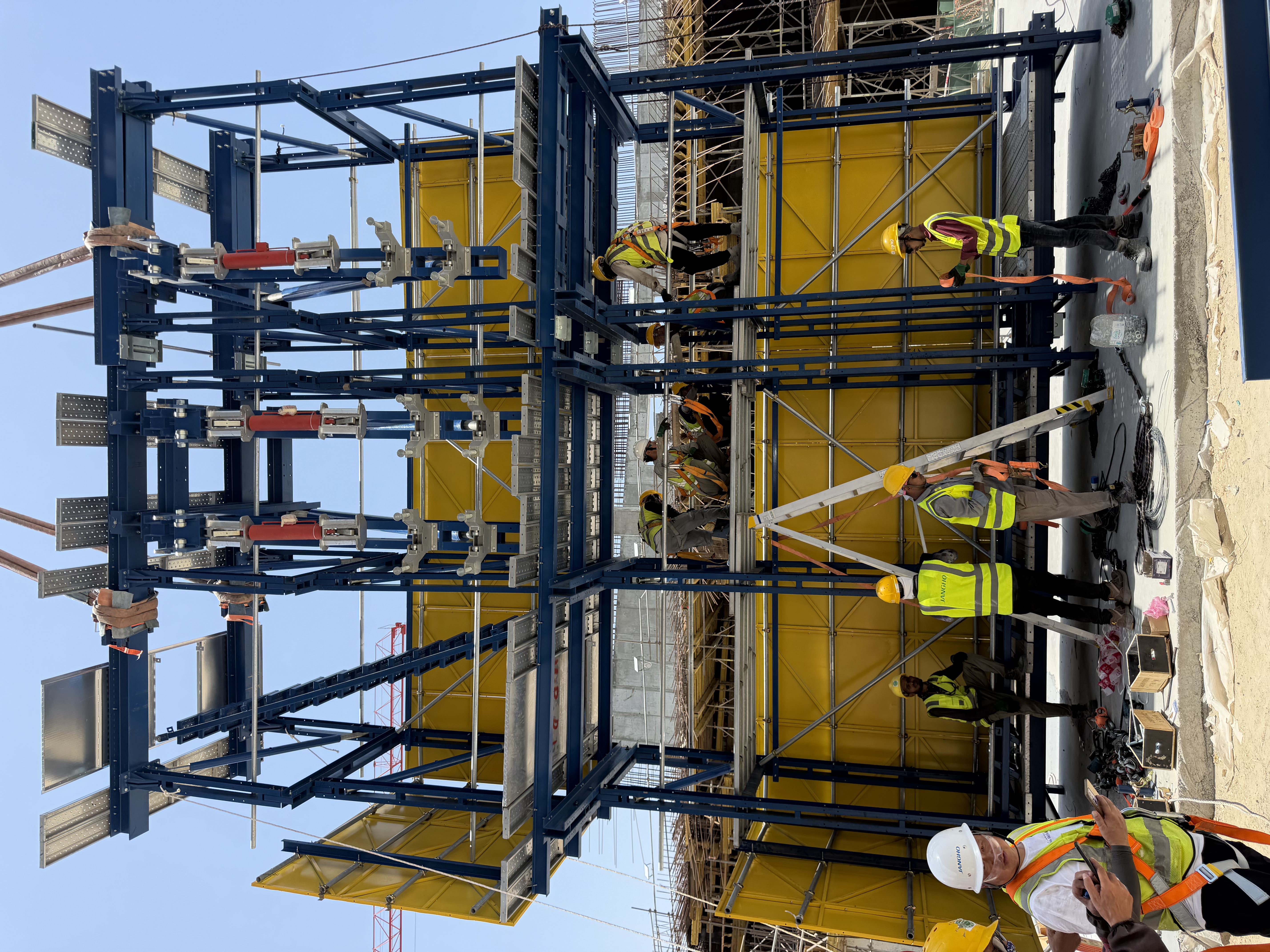
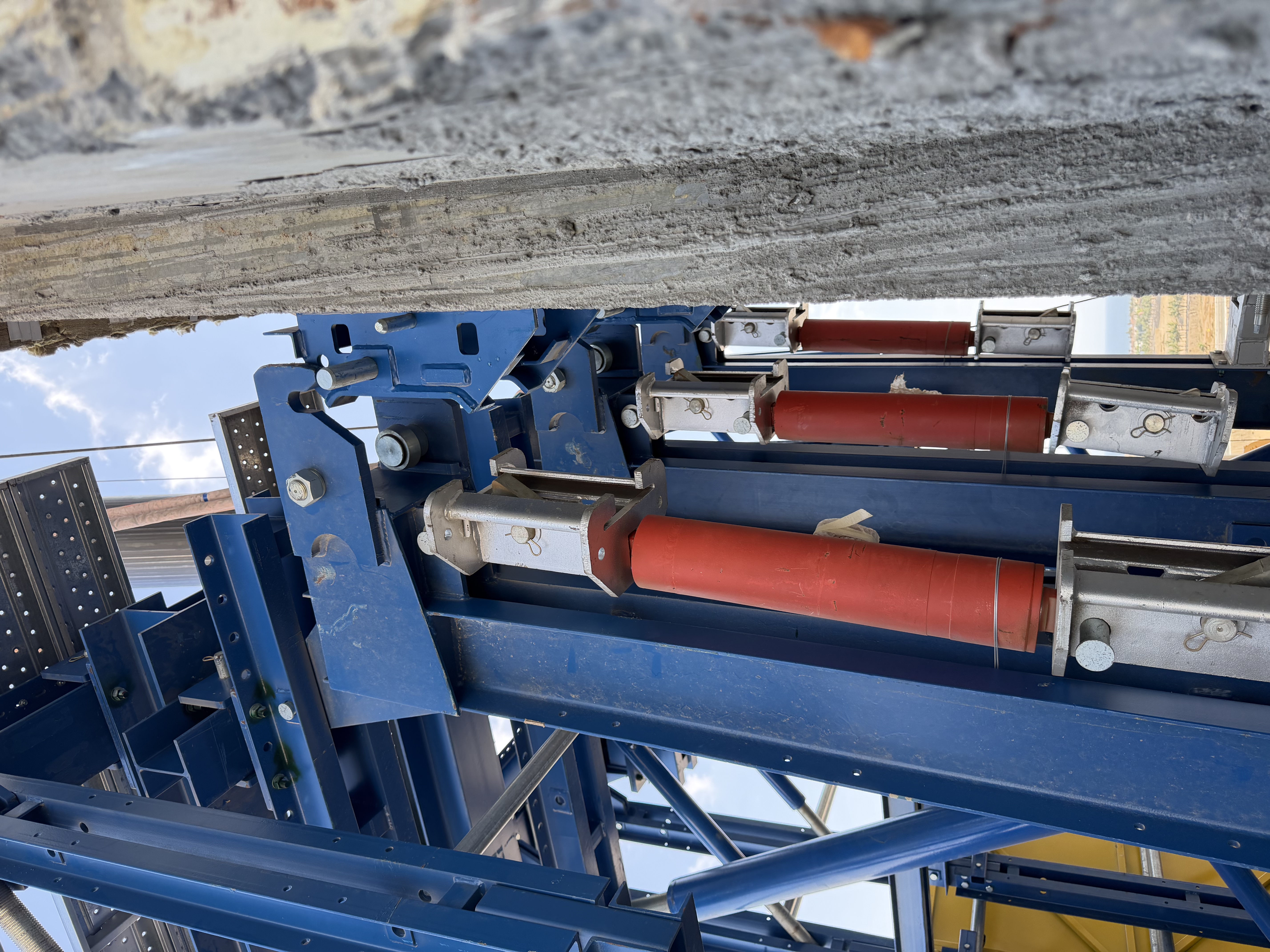
It utilizes a hydraulic synchronous mechanism for autonomous climbing, eliminating the need for repetitive crane lifting, and features a platform that can extend or retract to accommodate the building’s profile. The system employs an integrated “climbing, support, and working platform” design, removing the need for frequent on-site disassembly and reassembly, thereby drastically reducing reliance on crane resources. We deliver more than just equipment components; we provide a comprehensive solution tailored for curtain wall construction on kilometer-scale super-high-rise buildings.
Project Challenges and Solution Advantages
Project Challenges
- Working at kilometer‑level altitudes in coastal conditions with winds up to Beaufort Scale 13;
- Limited crane resources on‑site;
- Rigorous safety standards for ultra‑high‑altitude curtain‑wall installation;
- Tight construction timeline for this landmark mega‑project.
Our Advantages
- The hydraulic auto-climbing formwork system enables autonomous climbing, significantly reducing reliance on cranes;
- The enclosed, omnidirectional work platform ensures the safety of personnel and materials at height, eliminating the need for additional scaffolding;
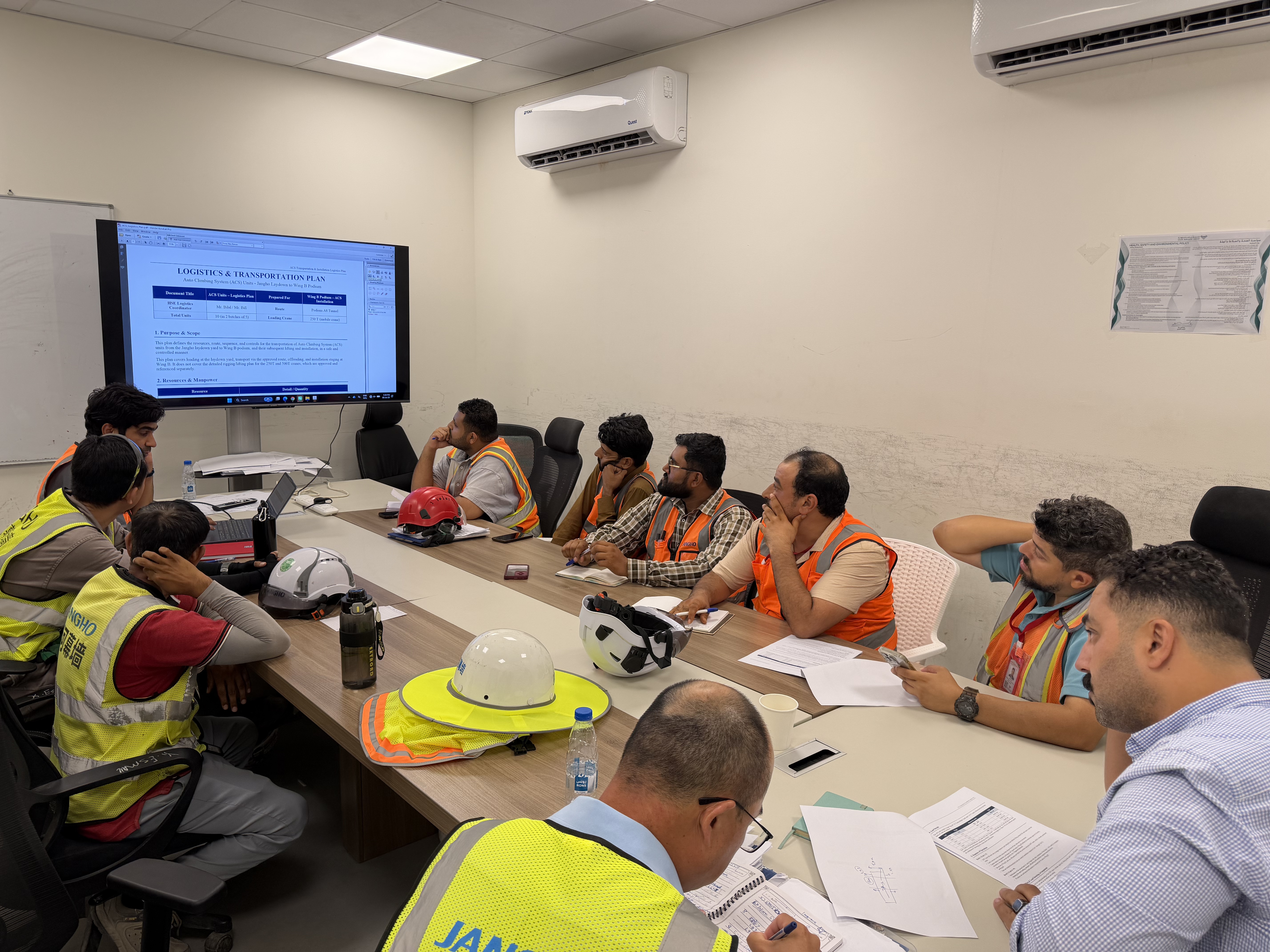
- Comprehensive technical preparation completed in the pre-project phase; materials manufactured and delivered to world-class standards, accompanied by on-site assembly guidance, effectively shortening the overall schedule and mitigating high-altitude construction risks;
- High‑level safety management is implemented throughout material transportation to satisfy stringent requirements for overseas mega‑projects.
Project Result
Lianggong’s hydraulic auto-climbing formwork platform provides stable and reliable support for curtain wall installation at extreme heights on the Jeddah Tower project. This landmark super-tall project fully validates our end‑to‑end supply and technical‑service capabilities for global super-high-rise landmarks. Moving forward, we will continue to refine our formwork and climbing system solutions for super-high-rise structures, contributing to the construction of more iconic landmarks around the world.
Post time: Sep-16-2026